Showing posts with label NewAraival. Show all posts

Thursday, February 11, 2016

iPhone 7 full Specification of Apple's 2016 iPhone

iPhone 7 full Specification of Apple's 2016 iPhone

iPhone 7: All the rumors about the specs, design and features of Apple's 2016 iPhone


It is during these earliest days of the product lifecycle, with the iPhone 6S and 6S Plus still in their relative youth, that the chatter concerning what shall come next is at its most fabulous. Since the day the new models first appeared in stores, Apple die-hards have been trawling the Internet in search of the rumors, leaks and dubious pronouncements made by anonymous supply chain sources.


And yet Apple remains as tightlipped as ever on what the next generation holds. So, what else can one do? Predicting the future of the iPhone has become a full-time, year-round sport, and we present here a curated collection of the most intriguing gossip about Apple's next big thing.

Editors' note: This story was originally posted on December 14, 2015 and last updated on February 9, 2016.

Announcement and release dates
According to Apple's traditional cadence, new iPhone models debut in the fall. The 6S and 6S Plus were unveiled on September 9 and hit store shelves on September 25, and we have every reason to expect the next major update to come around this same period in 2016.

Though no official invitations have been made yet, however, the company's next big event is rumored to be scheduled for March 2016. Given that the Apple Watch would be coming up on its first birthday in April 2016, it's likely that such an event would be focused on its successor. And while it's possible we could also see a new iPhone early in 2016, that would more likely be the rumored iPhone 6C -- an updated small iPhone to replace the aging iPhone 5S sitting at the bottom of Apple's current lineup.

Design
For the past several years, Apple's iPhone updates have followed a predictable cycle: major design changes in even-numbered years, followed by "under the hood" tech upgrades that keep the same basic physical chassis in odd-numbered "S phone" years. For 2016, then, a total redesign is a near certainty -- possibly with some dramatic innovations.

Amid rumors that the company has developed multiple iPhone 7 prototypes, Mark Gurman at 9to5Mac reports that Apple is experimenting with three different handset designs including a "completely new, thinner look," and a "backup" design that's similar to the iPhone 6S. More recently, MacRumors has suggested that the iPhone 7 will have a design that's "very similar" to that of the iPhone 6 and 6S, though without the antenna bands that run across the current generation. And we still expect the company to release two versions of the phone -- ostensibly, a standard-sized, 4.7-inch iPhone 7 and larger 5.5-inch iPhone 7 Plus.


Given the regularity with which folks drop phones in toilets and other bodies of water, could Apple develop a water-resistant or waterproof chassis? (By the way, here's what to do when it inevitably happens to you.) Other manufacturers have already gone there, of course: Samsung with the Galaxy S5, Sony with its Z5 Premium and Motorola with its entry-level Moto G. Still, the fact that Samsung did not make the Galaxy S6 waterproof suggests that it's not a critical feature for most consumers.

That noted, Business Insider reports that Apple has filed for a new waterproofing-related patent. Titled "Electronic Device with Hidden Connector," the application suggests that ports could be covered with a "self-healing elastomer." According to the patent description, iPhone ports equipped with this technology would be covered with membranes, which could be penetrated by a headphone or USB connector, for example, and which would seal back up once the connector is withdrawn.

Building on this narrative, 9to5Mac has reported that Apple is developing a new set of Bluetooth earphones that could be introduced simultaneously with the iPhone 7. The fruit of the company's acquisition of Beats Electronics, the new earphones, potentially called "AirPods," are rumored to be completely wireless, similar to the Motorola Hint.


One of the more interesting iPhone 7 predictions involves a move away from the physical home button. As CNET reported earlier, recent iPhone innovations -- specifically the pressure-sensitive 3D Touch screen and increasing always-on hands-free functionality of Siri -- have diminished the need for it, and that a buttonless iPhone would be a natural move for a company with such a strong preference for clean lines as well as simple design. That would also allow the large top and bottom bezels to shrink, effectively allowing Apple to squeeze a larger screen into the same size body. The trick, of course, would be keeping the all-important Touch ID fingerprint sensor somehow integrated into the device.

Note that the melodramatic iPhone 7 "leaked concept" video in circulation on social media has been flagged as a fake. The video shows a cleansuit-clad employee, ostensibly of Foxconn, one of Apple's longtime suppliers, handling a home button-less iPhone 7 until, offscreen, someone shouts, "Hey!". Nice try, folks.

Display
There is a particularly durable rumor about a sapphire display, which would offer a higher degree of scratch and shatter-resistance than the current models' Gorilla Glass. In fact, the higher-end Apple Watch models have sapphire displays -- as well as OLED technology that provides best-in-class black levels, contrast and colors on a growing assortment of smartphones (including the Samsung Galaxy S6).


Apple uses LED backlit LCD technology for the current iPhones' Retina displays, and there has been speculation that Apple will eventually switch to OLED displays, but not until 2018. So, this would likely debut on whatever model succeeds the iPhone 7.

Connections
One of the most most widely speculated upon topics to date involves the connectivity standards the iPhone 7 will support. Rumor has it that Apple may potentially omit the 3.5mm headphone jack, a standard on every preceding iPhone, in favor of an all-in-one Lightning connector. This would accommodate a thinner chassis -- perhaps shaving off as much as one millimeter. And there is fact to support this thesis: Philips showed off Lightning-only headphones earlier in 2015, though they apparently have yet to be released.

How about swapping out Lightning for USB Type-C? Despite its growing ubiquity as the standard for other smartphones, tablets and PCs, it feels unlikely. Yes, Apple made USB-C the only connector in its 2015 MacBook revamp, but the company has elsewhere doubled-down on Lightning in the past year, adding it to new Mac accessories, Beats speakers, the iPad Pro's Pencil accessory and the new iPhone Smart Battery Case.


Many Apple products continue to use Lightning even though USB Type-C is included on the newest MacBook.

The iPhone 6S and 6S Plus both come equipped with NFC to enable the contactless Apple Pay system. And yet Apple has yet to support the tap-to-pair capability of other NFC-enabled smartphones, which allow a user to tap a headphone or speaker to pair via Bluetooth. There was chatter about the possibility of enhanced NFC support in iOS 9, but it did not come to pass. Perhaps with the next generation.

Components
The iPhone 6S is a red-hot performer, showing off the improved speed of its new A9, 64-bit dual-core processor, enhanced Wi-Fi antennas and faster Touch ID sensor. And as each successive iPhone generation is expected to deliver improved speed, we expect to see an A10 chip powering the iPhone 7. Likewise, just as the 6S and 6S Plus got a bump in RAM from 1GB to 2GB, it's not unreasonable to expect to see an iPhone 7 that comes equipped with 4GB of RAM.


Powering the device is a a proprietary 64-bit A9 chip processor that Apple says offers 70 percent computing performance (CPU) and 90 percent faster graphics performance (GPU).

Screenshot by David Carnoy/CNET
In 2014, Apple doubled the top two tiers of the iPhone from 32GB and 64GB to 64GB and 128GB, but kept pricing the same. (The entry-level model remained at 16GB.) The company kept the same capacities for its 2015 line. Will it finally offer 32GB on the baseline model? Anything's possible, but getting customers to pay up for the 64GB model may be too much of a profit incentive to give up.

Related to the waterproofing rumors summarized above, the Commercial Times (via DigiTimes), reports that the iPhone 7 will contain "new compound materials" that will help hide the antenna, which is currently housed in bands on the back of the phone.

Another story that has surfaced involves the possibility of the iPhone 7 -- or perhaps the subsequent generation -- supporting wireless charging. One potential narrative has Apple narrowing connectivity to a single Lightning port, making it impossible to charge the phone and use wired headphones simultaneously. Hence: wireless charging. Mmmm...we'll see.

Camera
Many sources reported that there would be a significant step up in quality with the iPhone 6S's camera; a 10-megapixel camera and a two-lens DSLR-style camera were presented as two distinct possibilities. And though the 6S upped the standard iPhone's game with a much improved front-facing camera, only the 6S Plus features optical image stability capabilities that deliver higher quality photos and video in low light environments.


This time, there is lots of buzz about the rear-facing camera in particular. Several sites are reporting that the iPhone 7's back camera will sit flush with the case, instead of protruding slightly as with the iPhone 6 and 6S. A report by KGI Securities Ming-Chi Kuo claims Apple may create a version of the iPhone 7 Plus with two rear-facing camera lenses to offer and combine wide-angle as well as telephoto shots.

The technology would potentially leverage Apple's 2015 acquisition of Israeli technology company LinX Imaging, which has developed smaller sensors that can deliver DSLR-quality images with optical zoom and improved performance in darker environments. That noted, there are murmurs about Apple testing dual-lens technology from a number of Asian manufacturers. Though earlier rumors suggested that these higher-end features could appear on the standard iPhone 7 model, MacRumors has reported that only the 7 Plus will come equipped with this dual camera array.
Friday, January 15, 2016

Samsung to launch Galaxy Note5 dual SIM variant in India tomorrow

Samsung to launch Galaxy Note5 dual SIM variant in India tomorrow

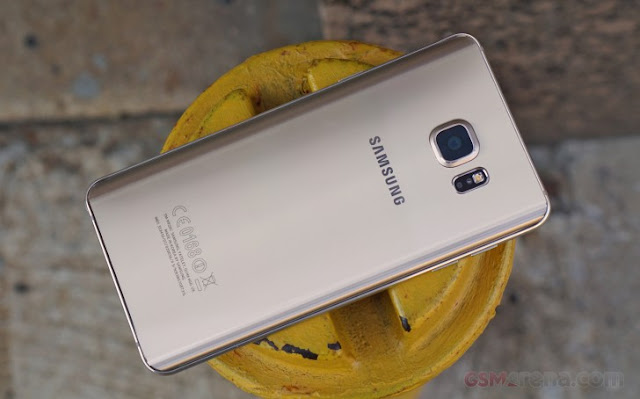
Samsung will launch the dual SIM variant of its Galaxy Note5 flagship smartphone in India tomorrow. The 32GB model will carry a price tag of INR 51,400 (around $760), while the 64GB model will set you back INR 57,400 (around $845).

"In the high-end segment, we saw a very strong trend of people using dual-SIMs in our A series smartphones," said Manu Sharma, director-product marketing at Samsung India. "Consumers want a premium device, which has a local SIM and space for another SIM."

The South Korean company expects to extend its dual-SIM strategy to more flagship devices, including the Galaxy S6 edge and Galaxy S6 edge+ in the future. "We will continue doing products that will address an opportunity and we will drive the dual-SIM market in the premium segment, starting with the Note 5," Sharma said.

Specification

NETWORK Technology GSM / HSPA / LTE
2G bands GSM 850 / 900 / 1800 / 1900
3G bands HSDPA 850 / 1900 / 2100 - N920T, N920A, N920I

HSDPA 850 / 900 / 1900 / 2100 - N920G
4G bands LTE band 1(2100), 2(1900), 3(1800), 4(1700/2100), 5(850), 7(2600), 8(900), 17(700), 20(800) - N920A

LTE band 1(2100), 2(1900), 3(1800), 4(1700/2100), 5(850), 7(2600), 8(900), 12(700), 17(700), 19(800), 26(850), 28(700) - N920I

LTE band 1(2100), 2(1900), 3(1800), 4(1700/2100), 5(850), 7(2600), 8(900), 12(700), 17(700), 18(800), 19(800), 26(850), 28(700), 40(2300) - N920G
Speed HSPA 42.2/5.76 Mbps, LTE Cat6 300/50 Mbps/ LTE Cat9 450/50 Mbps
GPRS Yes
EDGE Yes
LAUNCH Announced 2015, August
Status Available. Released 2015, August
BODY Dimensions 153.2 x 76.1 x 7.6 mm (6.03 x 3.00 x 0.30 in)
Weight 171 g (6.03 oz)
SIM Nano-SIM

- S Pen stylus
- Samsung Pay (Visa, MasterCard certified)
DISPLAY Type Super AMOLED capacitive touchscreen, 16M colors
Size 5.7 inches (~75.9% screen-to-body ratio)
Resolution 1440 x 2560 pixels (~518 ppi pixel density)
Multitouch Yes
Protection Corning Gorilla Glass 4


PLATFORM OS Android OS, v5.1.1 (Lollipop)
Chipset Exynos 7420
CPU Quad-core 1.5 GHz Cortex-A53 & Quad-core 2.1 GHz Cortex-A57
GPU Mali-T760MP8
MEMORY Card slot No
Internal 32/64/128 GB, 4 GB RAM
CAMERA Primary 16 MP, f/1.9, 28mm, OIS, autofocus, LED flash, check quality
Features 1/2.6" sensor size, 1.12 µm pixel size, geo-tagging, touch focus, face/smile detection, panorama, HDR
Video 2160p@30fps, 1080p@60fps, dual-video rec., check quality
Secondary 5 MP, f/1.9, 22mm, 1440p@30fps, dual video call, Auto HDR
SOUND Alert types Vibration; MP3, WAV ringtones
Loudspeaker Yes
3.5mm jack Yes


COMMS WLAN Wi-Fi 802.11 a/b/g/n/ac, dual-band, Wi-Fi Direct, hotspot
Bluetooth v4.2, A2DP, EDR, LE
GPS Yes, with A-GPS, GLONASS, BDS
NFC Yes
Radio No
USB microUSB v2.0, USB Host
FEATURES Sensors Fingerprint, accelerometer, gyro, proximity, compass, barometer, heart rate, SpO2
Messaging SMS(threaded view), MMS, Email, Push Mail, IM
Browser HTML5
Java No

- Wireless charging (Qi/PMA) - market dependent
- ANT+ support
- S-Voice natural language commands and dictation
- Active noise cancellation with dedicated mic
- MP4/DivX/XviD/WMV/H.264 player
- MP3/WAV/WMA/eAAC+/FLAC player
- Photo/video editor
- Document editor


BATTERY
Non-removable Li-Po 3000 mAh battery
Stand-by
Talk time Up to 22 h (3G)
Music play Up to 64 h
MISC Colors Black Sapphire, Gold Platinum, Silver Titan, White Pearl
SAR US 1.53 W/kg (head)     1.28 W/kg (body)    
SAR EU 0.45 W/kg (head)     0.58 W/kg (body)    
Price group 42652
TESTS Performance Basemark OS II: 1852 / Basemark X: 26281
Display Contrast ratio: Infinite (nominal), 4.090 (sunlight)
Camera Photo / Video
Loudspeaker Voice 65dB / Noise 64dB / Ring 73dB
Audio quality Noise -93.6dB / Crosstalk -94.7dB
Battery life Endurance rating 85h

Wednesday, January 6, 2016

Samsung's new laptops Ultra best design

Samsung's new laptops Ultra best design

Samsung Notebook 9


Magnesium
Typically, high-end laptops are made of aluminum, perhaps with some carbon fiber thrown in if you want to get fancy. Aluminum's strong and shiny, but still a little heavy. Magnesium alloy is even lighter, but the downside is that it can look and feel like plastic. You'll often find it inside laptops (like Lenovo's ThinkPads) but generally, PC manufacturers don't leave it exposed to the elements.

But recently, a few laptops have gone all out with magnesium to get the lightest laptops possible, like the Lenovo LaVie Z and the LG Gram 14. But those laptops lacked creature comforts like great keyboards and trackpads, and they definitely felt a little plasticy.

What amazed me was that the 15-inch Notebook 9 feels a bit more like cool metal to the touch. And with nice bright 1080p screens, Core i5 and i7 processors, up to 8GB of memory and 256GB of solid-state storage and what felt like some pretty decent keyboards and touchpads in a brief test, these feel like pretty well-rounded laptops. (Samsung's also promising up to 10.5 hours of battery life.) If only the company would tell us what they cost.


What you still won't find here is a touchscreen, or a lot of handy full-size ports. While Samsung's recently introduced Ativ Book 9 Spin and Book 9 Pro finally added the full-size ports we've been missing, the Notebook 9 makes due with only a pair of full-size USB 3.0 jacks (one on each side) and a full-size SD slot on the 13-inch model. Otherwise, you'll need to carry adapters for the tiny little mini VGA, HDMI, and Ethernet jacks you'll find on these machines, and a microSD card if you're looking at the 15-incher.

There is one of those fancy new reversible USB-C ports on the 15-incher, but we're not yet sure if you can charge the laptop using that port.


Here are the other specs we've got so far:


  • 13.3-inch or 15-inch 1080p PLS screens (350-nit or 400-nit brightness)
  • 180-degree hinge lets the screen lie flat
  • Sixth-gen Intel Core i5 or i7 processors
  • Intel HD 520 graphics
  • 4GB or 8GB of memory
  • 128GB or 256GB of storage
  • Up to 10.5 hours of battery life
  • 802.11ac 2x2 Wi-Fi, Bluetooth 4.1
  • Silver or Pink colors
  • 2.84lb (1.29kg) for the 15-inch
  • 1.85lb (840g) for the 13-inch

Friday, December 25, 2015

Samsung Galaxy A9

Samsung Galaxy A9

Samsung Galaxy A9


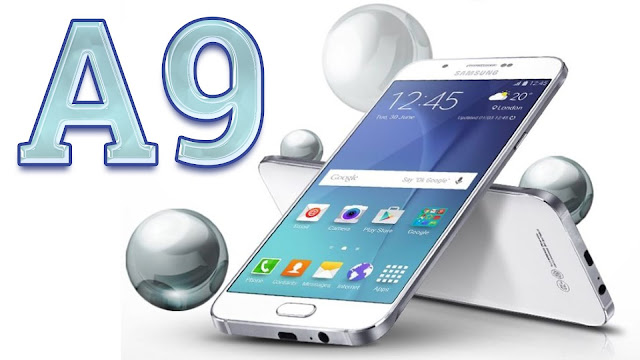
If you're looking for a phone that can double as a serving tray you're in luck. At its Galaxy A Party 2016 event in China, Samsung announced the high-end Galaxy A9 with a six-inch 1080p super AMOLED display. Never again will you have to squint to see the tiny text on lesser phones like the relatively diminutive Nexus 6P (5.7 inches), iPhone 6s Plus (5.5 inches) or Galaxy Note 5 (5.7 inches). Just be sure to invest in some cargo pants because your jean pockets probably won't cut it.

The 7.4mm thick phone sports an impressive 4,000mAh battery, Snapdragon 652 processor, 3GB of RAM, 32GB of storage and a 13MP rear facing camera. The front facing camera is 8MP. While the hardware on the high-end phone looks great, unfortunately it ships with Android 5.1.1.

Another bummer is that it's only going to be available in China starting next month. Fingers crossed it hits other countries soon. No word on pricing.


NETWORK Technology GSM / HSPA / LTE
LAUNCH Announced 2015, December
Status Coming soon. Exp. release 2016, January
BODY Dimensions 161.7 x 80.9 x 7.4 mm (6.37 x 3.19 x 0.29 in)
Weight 200 g (7.05 oz)
SIM Optional Dual SIM (Nano-SIM, dual stand-by)


DISPLAY Type Super AMOLED capacitive touchscreen, 16M colors
Size 6.0 inches (~75.9% screen-to-body ratio)
Resolution 1080 x 1920 pixels (~367 ppi pixel density)
Multitouch Yes


PLATFORM OS Android OS, v5.1.1 (Lollipop), planned upgrade to v6.0 (Marshmallow)
Chipset Qualcomm MSM8976 Snapdragon 652
CPU Quad-core 1.8 GHz Cortex-A72 & quad-core 1.2 GHz Cortex-A53
GPU Adreno 510
MEMORY Card slot microSD, up to 128 GB
Internal 32 GB, 3 GB RAM


CAMERA Primary 13 MP, f/1.9, autofocus, OIS, LED flash
Features 1/3" sensor size, 1.12 µm pixel size, geo-tagging, touch focus, face detection, panorama, HDR
Video 1080p@30fps
Secondary 8 MP, f/1.9, 1080p
SOUND Alert types Vibration; MP3, WAV ringtones
Loudspeaker Yes
3.5mm jack Yes


COMMS WLAN Wi-Fi 802.11 a/b/g/n, dual-band, WiFi Direct, hotspot
Bluetooth v4.1, A2DP, EDR, LE
GPS Yes, with A-GPS, GLONASS/ BDS (market dependant)
NFC Yes
Radio FM radio with RDS; recording
USB microUSB v2.0


FEATURES Sensors Fingerprint, accelerometer, gyro, proximity, compass
Messaging SMS(threaded view), MMS, Email, Push Mail, IM
Browser HTML5
Java No

- Fast battery charging
- ANT+ support
- Active noise cancellation with dedicated mic
- MP4/WMV/H.264 player
- MP3/WAV/WMA/eAAC+/FLAC player
- Photo/video editor
- Document viewer


BATTERY
Non-removable Li-Ion 4000 mAh battery
Stand-by
Talk time


MISC Colors Pearl White, Midnight Black, Champagne Gold
SAR US 1.19 W/kg (head)     1.33 W/kg (body)    
SAR EU 0.18 W/kg (head)     0.55 W/kg (body)    


 Huawei Nexus 6P Full Specification and review

Huawei Nexus 6P Full Specification and review

Huawei Nexus 6P Full Specification and review

Introduction
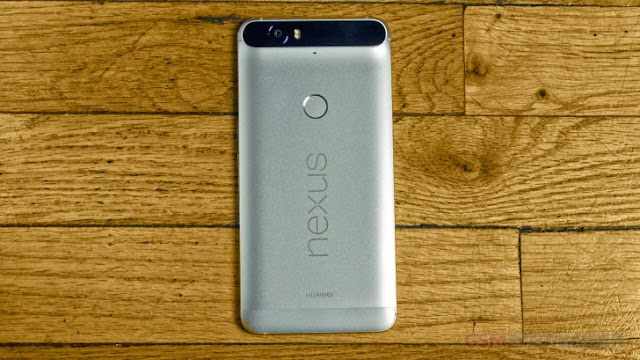
Last year, a dramatic change came to Google's Nexus offering. The upper-mid range phone that was the Nexus 5 was replaced by a premium and much more expensive model made by Motorola. Skip time ahead about a year to this fall and we are offered a true premium package with a significantly lower price tag. The Nexus 6P is beautifully designed by Huawei to please both power users and average users alike.


Last year's Motorola Nexus 6 was a huge hit, literally. Unfortunately the phablet did not age well, the price of Motorola's offering was too high from the start then fell too low at the end of its life cycle. This year, Google decided to do two things differently with the Nexus release: launch and sell Nexus phones exclusively on the brand new Google Store, and release two Nexus phones offering the same experience in two different models of hardware, one larger and more powerful than the other, lower cost model.

Huawei and Google conceived a perfect sequel to the Nexus 6 - it's the first time Huawei is on board the Nexus program as well but their track record of excellent premium phones has positioned them as an ideal choice for a Google hardware partner.

The 6P offers a perfect balance of premium feel, software experience, and attention to detail without skimping out in other aspects (such as the camera experience or build quality).


Key Features
5.7" screen with 1440p resolution (518ppi)
Android 6.0 Marshmallow with quickest software updates from Google
Quad-core 1.55 GHz Cortex-A53 & Quad-core 2.0 GHz Cortex-A57, 3GB of RAM, Adreno 430 GPU; Snapdragon 810 v2 chipset
32GB, 64GB, or 128GB of storage
12.3MP camera with laser autofocus and dual-LED flash; 1.55µm pixels; 8MP selfie camera
2160p video capture
Cat. 6 LTE (300Mbps); Wi-Fi 802.11 a/b/g/n/ac; Bluetooth 4.2; GPS/GLONASS; NFC; USB Type-C port with USB host
Fingerprint reader; Android Pay
3,450mAh Li-Po battery with fast charging

Main disadvantages

Quite expensive outside the US and no major carrier-subsidized version in the US
No expandable storage
Lacks wireless charging
Lacks a cable TV out option
No Optical Image Stabilization (OIS) for the camera
No FM radio
Huawei's Nexus 6P improved where the Nexus 6 just barely make the mark. The 6P does manage to be a bit taller than the 6, but the narrower body of the 5.7" screen of the 6P makes it significantly manageable with one hand. The new camera experience yields much better than the 6 did. And the use of current generation Samsung's AMOLED panels proves to be a welcome improvement to Motorola's OLED displays.

USB Type-C was a sure choice, ensuring a nudge for other smartphone makers to adopt the new USB standard.


Huawei's Nexus 6P improved where the Nexus 6 just barely make the mark. The 6P does manage to be a bit taller than the 6, but the narrower body of the 5.7" screen of the 6P makes it significantly manageable with one hand. The new camera experience yields much better than the 6 did. And the use of current generation Samsung's AMOLED panels proves to be a welcome improvement to Motorola's OLED displays.

USB Type-C was a sure choice, ensuring a nudge for other smartphone makers to adopt the new USB standard.


In the past, every single Nexus device had some kind of compromise, however, we think this may be the first time a Nexus device has ever gotten every aspect about performance, camera, battery, and design just right. But we wouldn't know until we check that thoroughly first hand.

Editorial: You might notice that this review is shorter than usual and doesn't include some of our proprietary tests. The reason is it has been prepared and written far away from our home office and test lab. Still, we think we've captured the essence of the device in the same precise, informative and detailed way that's become our trademark. Enjoy the good read!


NETWORK Technology GSM / CDMA / HSPA / LTE
LAUNCH Announced 2015, September
Status Available. Released 2015, September
BODY Dimensions 159.3 x 77.8 x 7.3 mm (6.27 x 3.06 x 0.29 in)
Weight 178 g (6.28 oz)
SIM Nano-SIM


DISPLAY Type AMOLED capacitive touchscreen, 16M colors
Size 5.7 inches (~71.4% screen-to-body ratio)
Resolution 1440 x 2560 pixels (~518 ppi pixel density)
Multitouch Yes
Protection Corning Gorilla Glass 4, oleophobic coating


PLATFORM OS Android OS, v6.0 (Marshmallow)
Chipset Qualcomm MSM8994 Snapdragon 810
CPU Quad-core 1.55 GHz Cortex-A53 & Quad-core 2.0 GHz Cortex-A57
GPU Adreno 430
MEMORY Card slot No
Internal 32/64/128 GB, 3 GB RAM


CAMERA Primary 12.3 MP, f/2.0, laser autofocus, dual-LED (dual tone) flash
Features 1/2.3'' sensor size, 1.55µm pixel size, geo-tagging, touch focus, face detection, HDR, panorama
Video 2160p@30fps, 720p@240fps
Secondary 8 MP, f/2.4, 1080p@30fps
SOUND Alert types Vibration; MP3, WAV ringtones
Loudspeaker Yes, with front stereo speakers
3.5mm jack Yes


COMMS WLAN Wi-Fi 802.11 a/b/g/n/ac, dual-band, Wi-Fi Direct, DLNA, hotspot
Bluetooth v4.2, A2DP, LE
GPS Yes, with A-GPS, GLONASS
NFC Yes
Radio No
USB v2.0, Type-C 1.0 reversible connector


FEATURES Sensors Fingerprint, accelerometer, gyro, proximity, compass, barometer
Messaging SMS(threaded view), MMS, Email, Push Mail, IM
Browser HTML5
Java No

- Fast charging
- Active noise cancellation with dedicated mics
- MP4/H.264 player
- MP3/WAV/eAAC+ player
- Photo/video editor
- Document editor


BATTERY
Non-removable Li-Po 3450 mAh battery
Stand-by Up to 440 h (3G)
Talk time Up to 23 h (3G)
Music play Up to 100 h


MISC Colors Aluminium, Graphite, Frost
Price group 42286


TESTS Performance Basemark OS II: 1399 / Basemark OS II 2.0: 1374
Basemark X: 22825
Battery life Endurance rating 74h

Saturday, December 12, 2015

 Samsung Galaxy S7

Samsung Galaxy S7

Unofficial preliminary specifications


Network Technology GSM / HSPA / LTE
2G bands GSM 850 / 900 / 1800 / 1900
3G bands HSDPA 850 / 900 / 1900 / 2100
HSDPA 850 / 900 / 1700 / 1900 / 2100
4G bands LTE
Speed HSPA 42.2/5.76 Mbps, LTE Cat9 450/50 Mbps
GPRS Yes
EDGE Yes
Launch Announced Exp. announcement 2016, February
Status Rumored. Exp. release 2016, Q1
Body Dimensions 143.4 x 70.8 x 6.9 mm (5.65 x 2.79 x 0.27 in)
Weight -
Build Corning Gorilla Glass 5 back panel
SIM Nano-SIM
- Samsung Pay (Visa, MasterCard certified)
Display Type Super AMOLED capacitive touchscreen, 16M colors
Size 5.1 inches (~70.6% screen-to-body ratio)
Resolution 1440 x 2560 pixels (~576 ppi pixel density)
Multitouch Yes
Protection Corning Gorilla Glass 5
- Force Touch display
- TouchWiz UI
Platform OS Android OS, v6.0 (Marshmallow)
Chipset Qualcomm MSM8996 Snapdragon 820/ Exynos 8 Octa 8890
CPU Octa-core
GPU Adreno 530/ Mali-T880 MP12
Memory Card slot No
Internal 32/64/128 GB, 4 GB RAM
Camera Primary Yes, phase detection autofocus, optical image stabilization, dual-LED (dual tone) flash
Features Geo-tagging, touch focus, face detection, Auto HDR, panorama
Video 2160p@30fps, 1080p@60fps, 720p@120fps, HDR, dual-video rec.
Secondary Yes, dual video call, Auto HDR
Sound Alert types Vibration; MP3, WAV ringtones
Loudspeaker Yes
3.5mm jack Yes
Comms WLAN Wi-Fi 802.11 a/b/g/n/ac, dual-band, Wi-Fi Direct, hotspot
Bluetooth v4.2, A2DP, LE, apt-X
GPS Yes, with A-GPS, GLONASS, BDS
NFC Yes
Infrared port Yes
Radio To be confirmed
USB microUSB v2.0, USB Host
Features Sensors Fingerprint, accelerometer, gyro, proximity, compass, barometer, heart rate, SpO2
Messaging SMS(threaded view), MMS, Email, Push Mail, IM
Browser HTML5
Java No
- Fast battery charging: 83% in 30 min (Quick Charge 3.0)
- Wireless charging (Qi/PMA) - market dependent
- ANT+ support
- S-Voice natural language commands and dictation
- OneDrive (115 GB cloud storage)
- Active noise cancellation with dedicated mic
- MP4/DivX/XviD/WMV/H.264 player
- MP3/WAV/WMA/eAAC+/FLAC player
- Photo/video editor
- Document editor
Battery Non-removable battery
Misc Colors Various